Spring 2026 Lambing Success – But Is It All Good News?
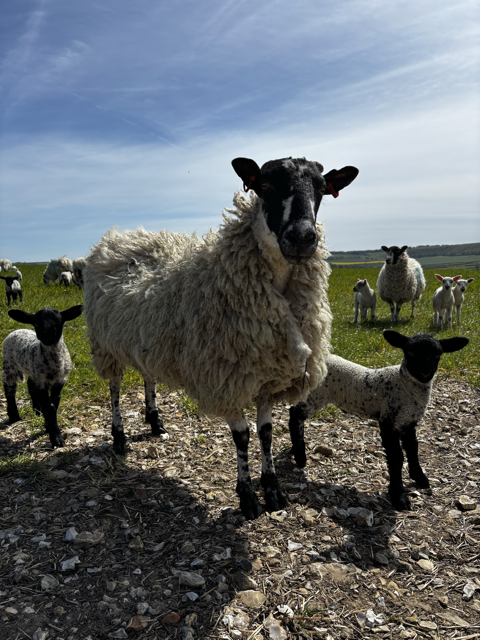
Spring 2026 has brought plenty to celebrate here on the farm, with excellent lambing results and strong, healthy lambs across the flock. After a challenging wet winter, the dry spring weather has certainly played its part in helping this year’s lambing season run smoothly.
This season we achieved a scanning rate of 190%, giving us a large number of twins and triplets and setting the stage for a busy but rewarding lambing period.
The exceptionally wet winter and early spring meant we made the decision to bring the ewes into the lambing barns four weeks before lambing began. Housing the flock early allowed us to feed home-grown forage alongside a high-energy ewe roll ration, helping the ewes maintain condition and improve colostrum production ahead of lambing. Strong colostrum intake in the first few hours of life is vital for healthy lambs, and this year we have seen the benefits throughout the flock.
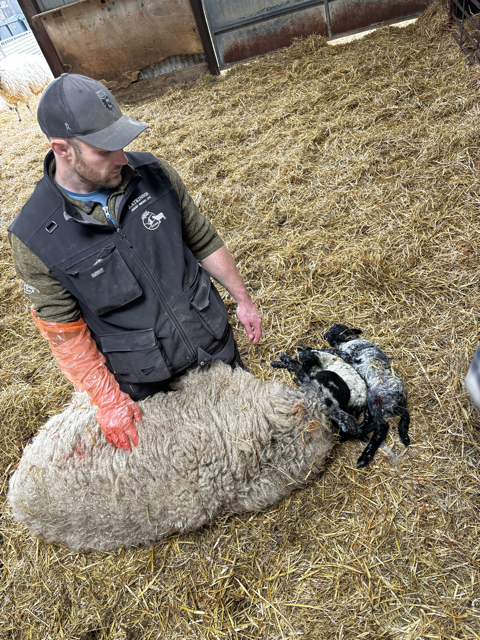
We have also been pleased to welcome veterinary students from the Universities of Nottingham and Liverpool, who are spending two weeks with us gaining practical lambing experience. It is always rewarding to support the next generation of farm vets and share the realities of springtime sheep farming.
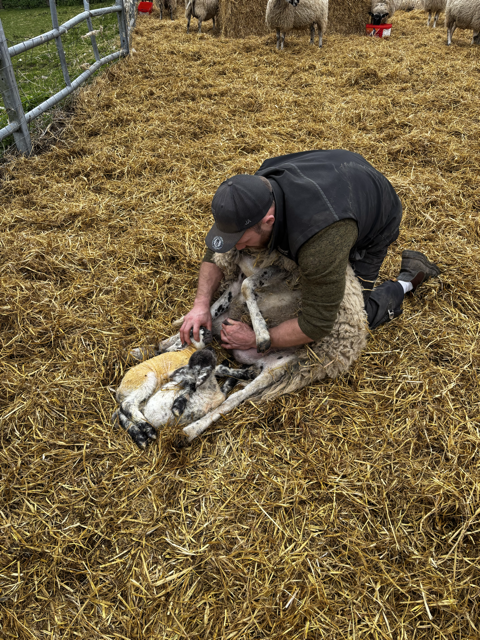
One of the biggest successes this year has been our fostering programme. With many triplet lambs born, we successfully fostered surplus lambs onto single ewes with plenty of milk, ensuring more lambs could be reared naturally by mothers rather than by hand.
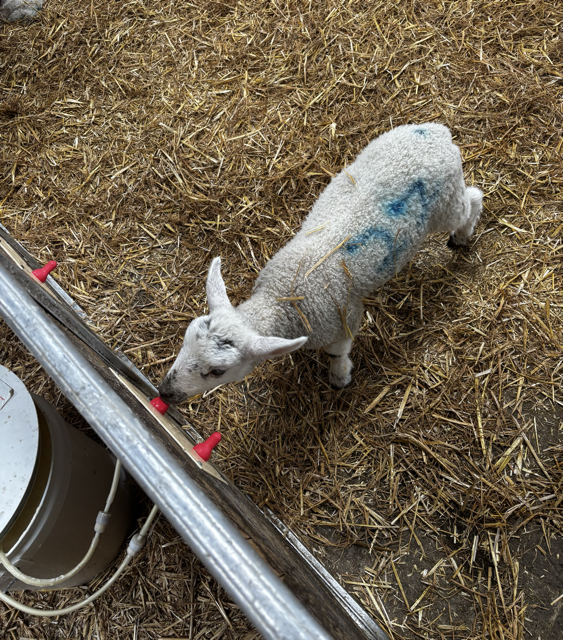
Of course, there are always a few pet lambs needing extra care. These lambs are being reared using our automatic milk machine, allowing them regular feeding little and often. We are also encouraging them onto creep feed early so they can be weaned off milk successfully and continue growing well.
But Is It All Good?
While the dry spring weather has helped lamb survival and eased lambing conditions, there are growing concerns for the weeks ahead.
The farm is now in need of rain to boost grass growth. Grazing availability will become increasingly important as ewes and lambs remain outdoors through late spring and summer, and prolonged dry conditions could affect forage supplies later in the season.
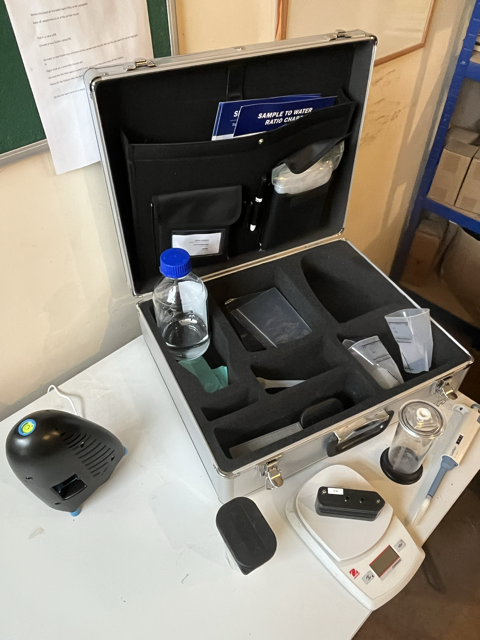
The milder weather also brings increased worm pressure in young lambs. Warmer conditions can accelerate parasite development on pasture, so careful monitoring is essential. This year we are using FECPAK technology to identify the species and levels of worms present, allowing us to treat animals appropriately and avoid unnecessary wormer use. Targeted treatment not only protects lamb performance but also helps combat growing concerns around wormer resistance.
Although farming always brings its challenges, it has been encouraging to see healthy lambs thriving across the farm this spring. We are grateful for a successful lambing season so far and look forward to seeing this year’s lamb crop continue to grow in the months ahead.