
Arable
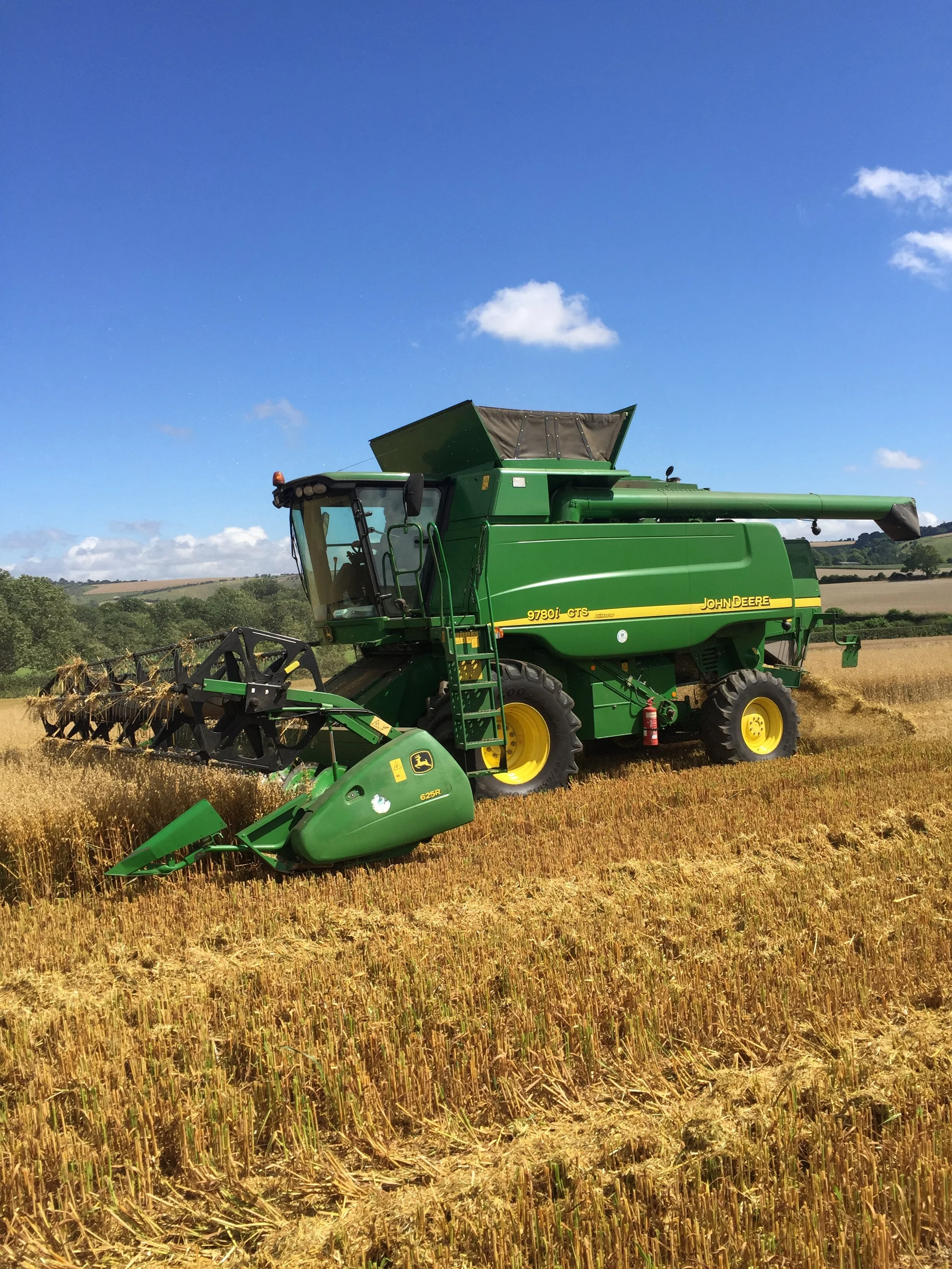
We are committed to managing all the land in our care sustainably and professionally. Our goal is to realise each field’s full potential while protecting and enhancing the biodiversity that makes these landscapes unique.
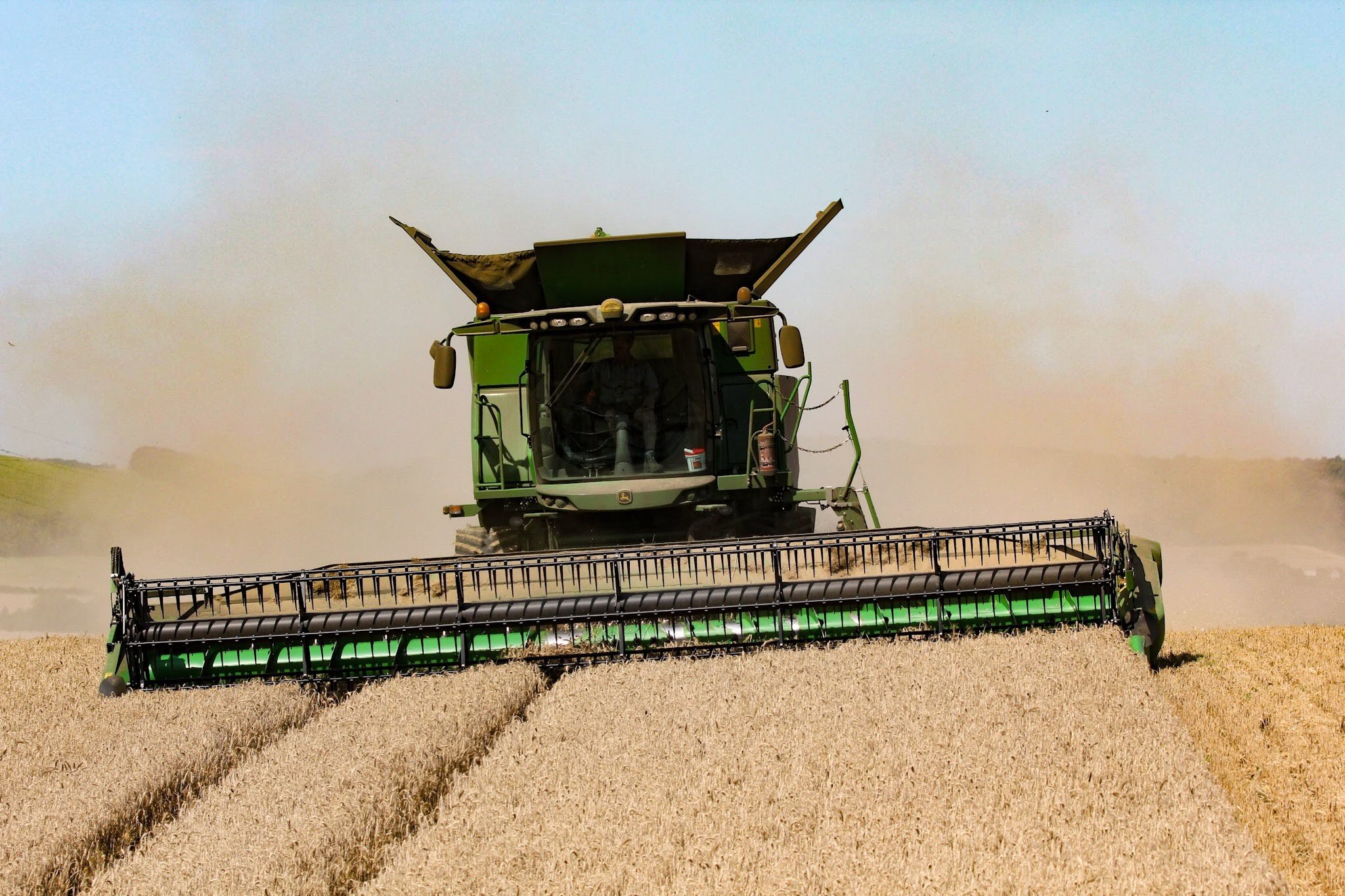
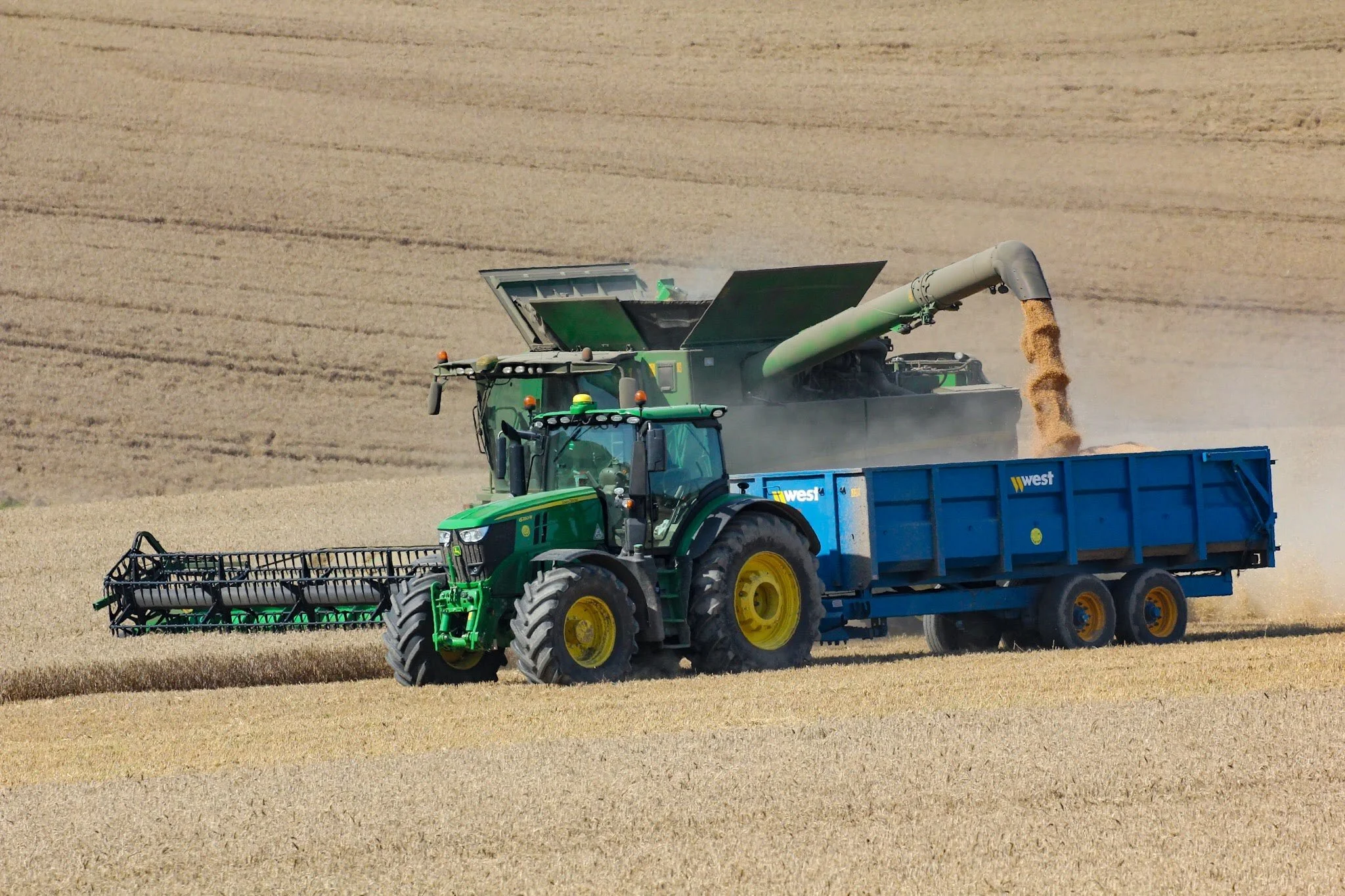
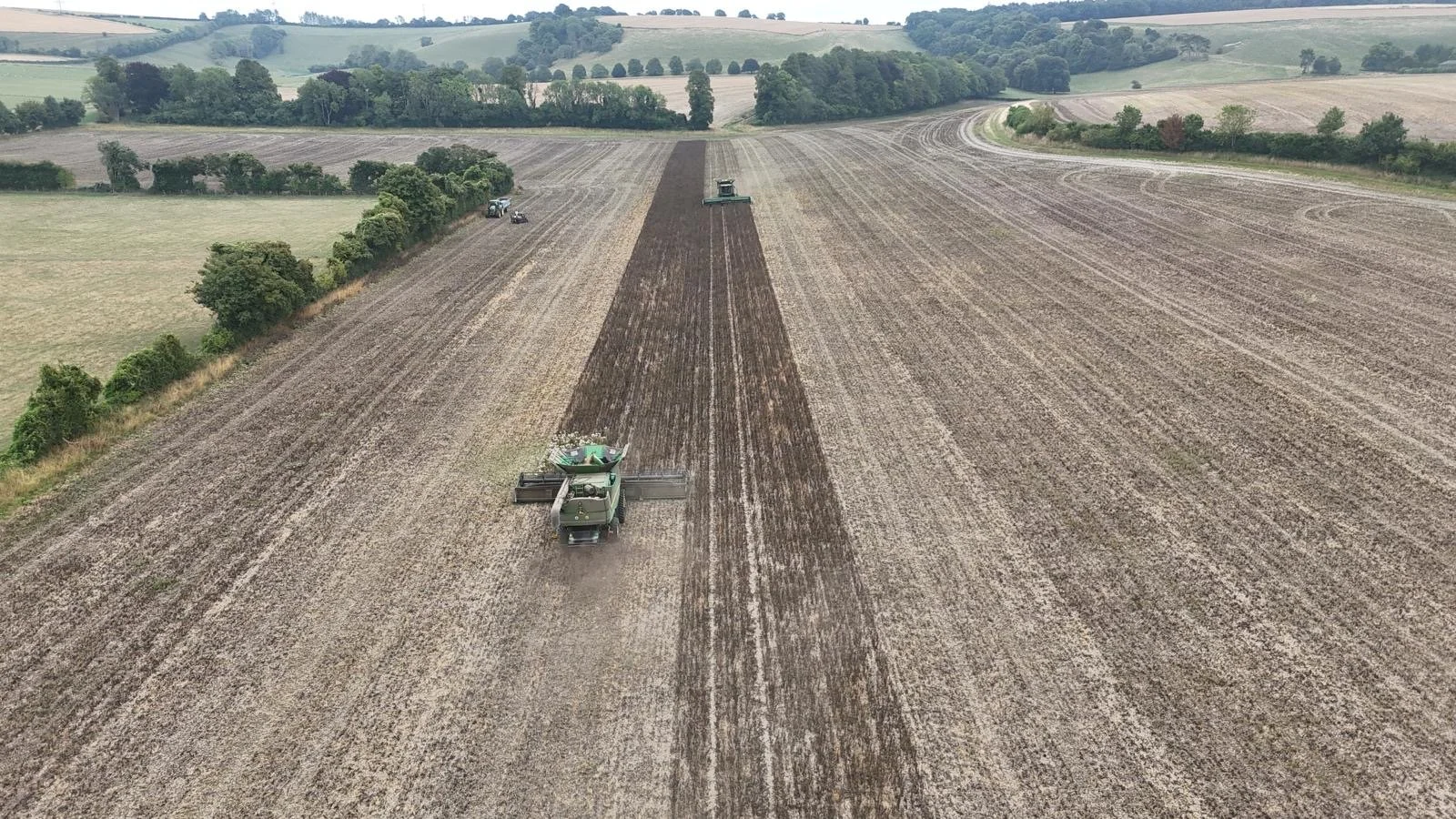
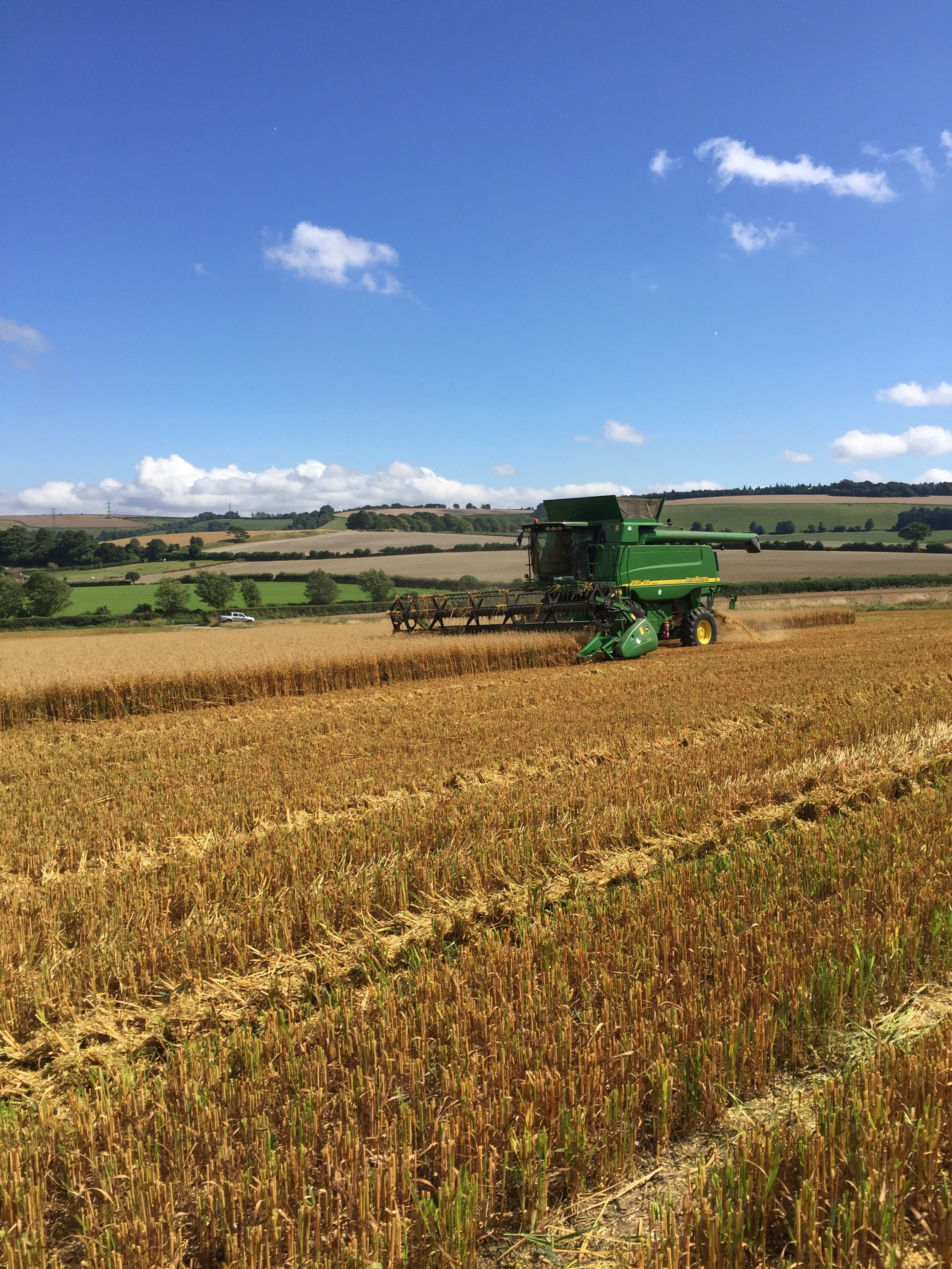
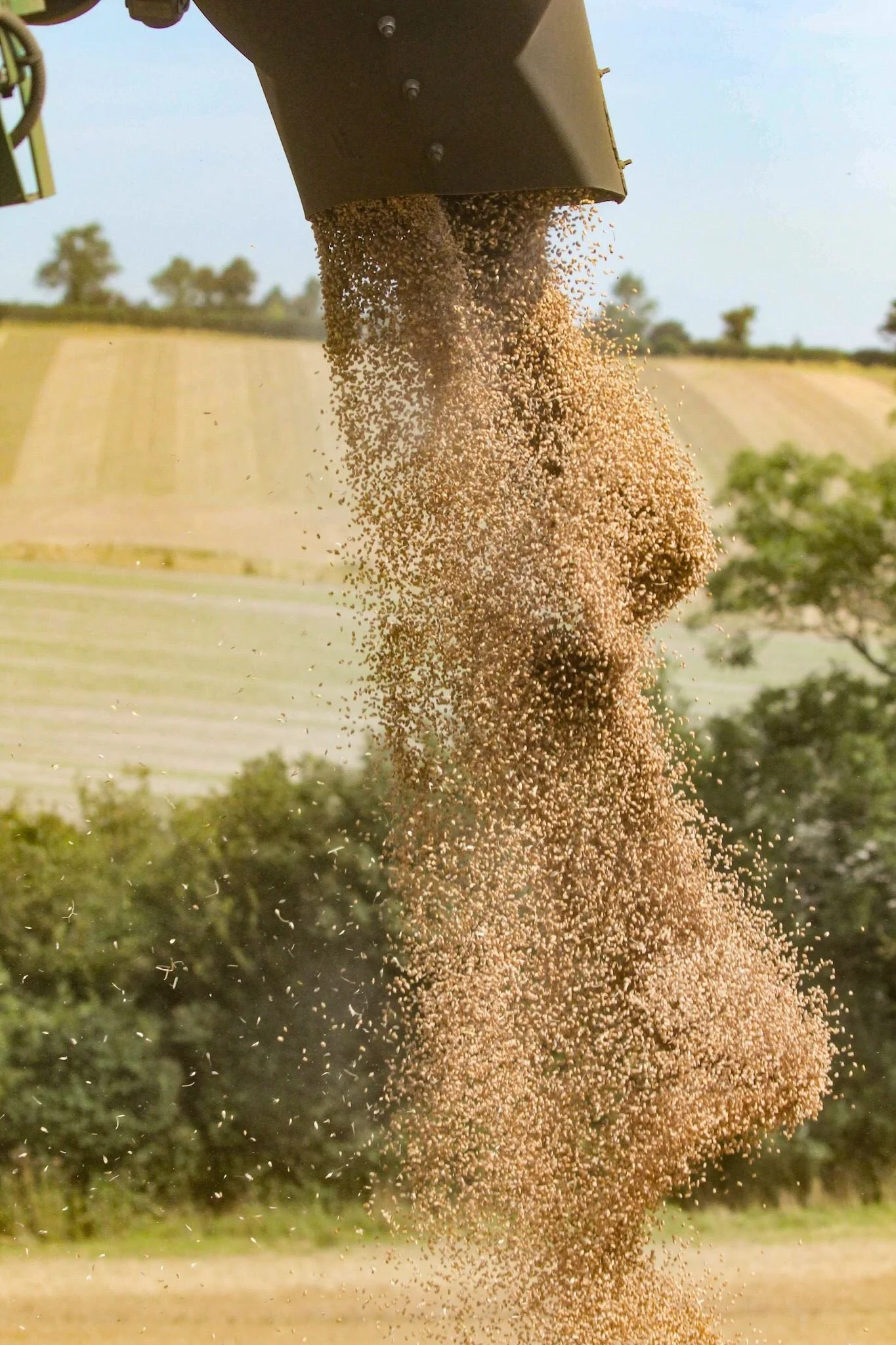
To support this, we operate a broad and carefully planned crop rotation, using both winter- and spring-sown varieties to reduce pest and disease pressures in a more sustainable way. Our rotation includes Winter Wheat, Winter Barley, Spring Barley, Oilseed Rape, Beans and Grass, allowing us to balance productivity with long-term soil health and environmental stewardship.
Livestock
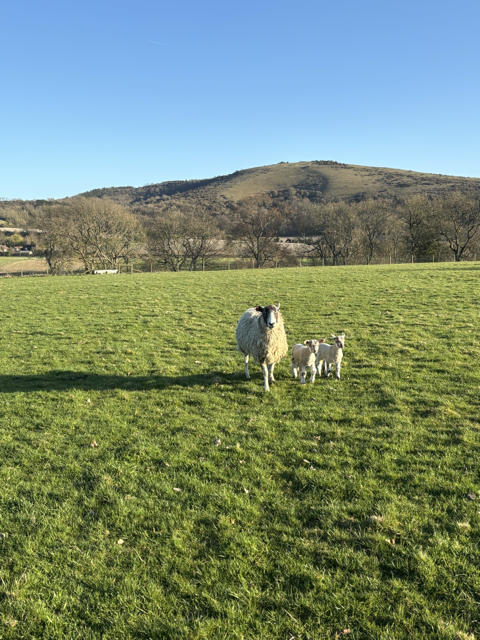
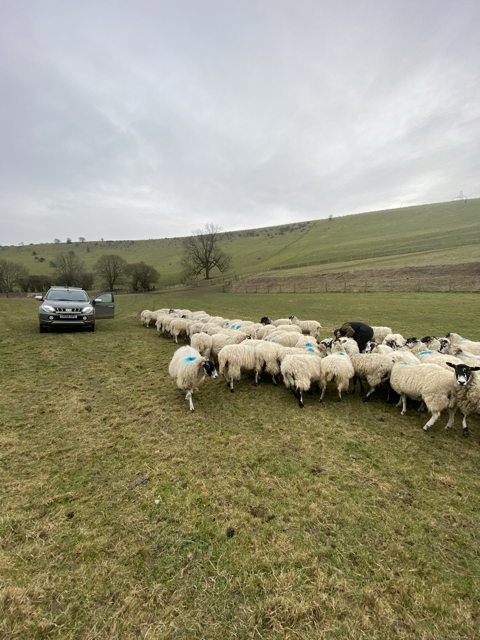
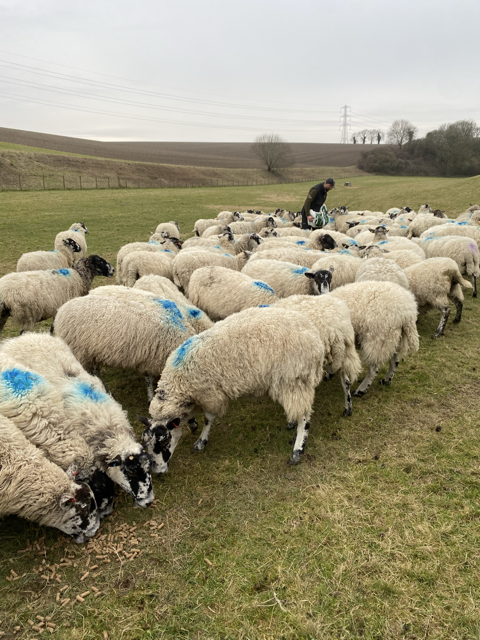
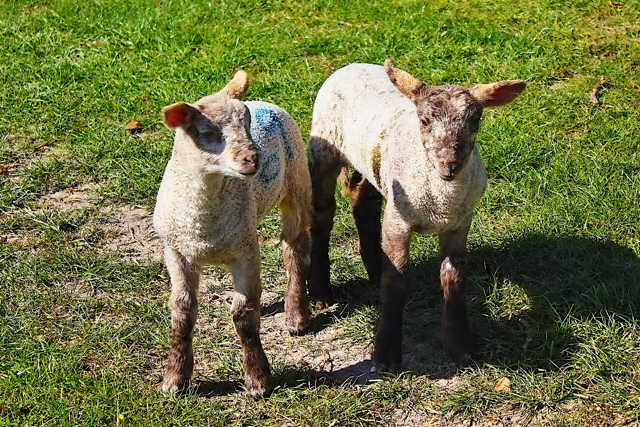
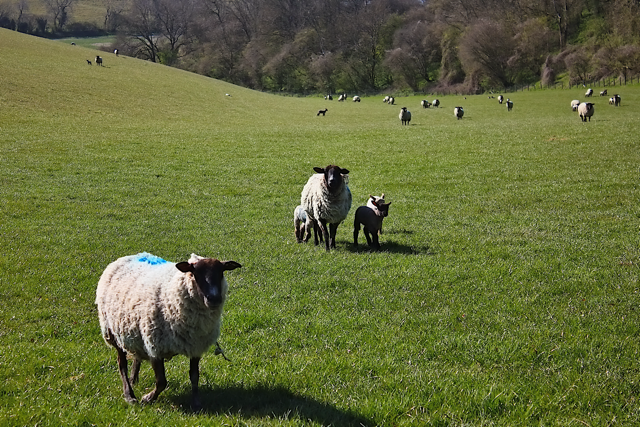
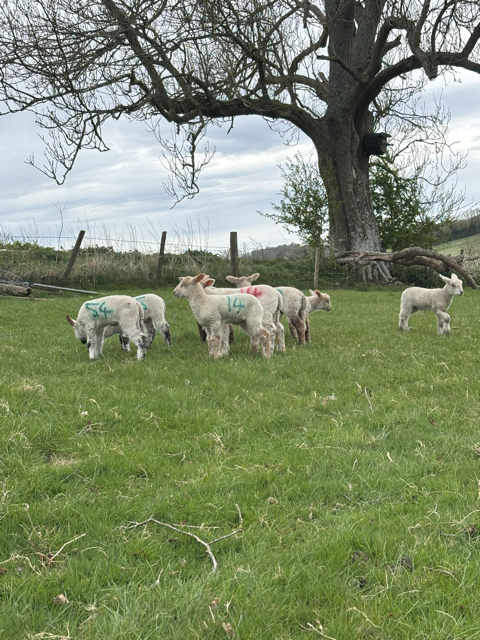
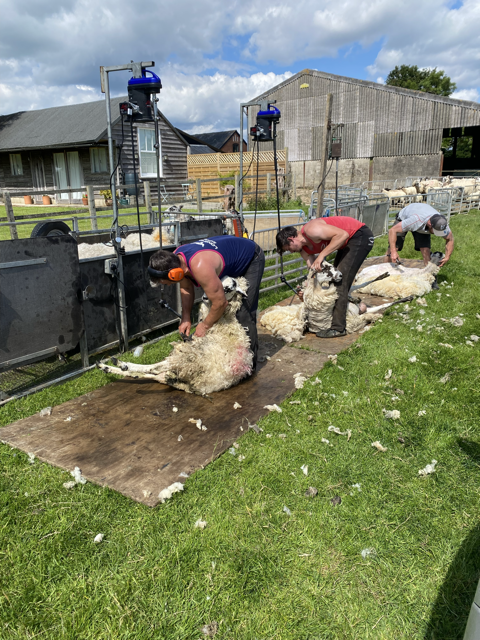
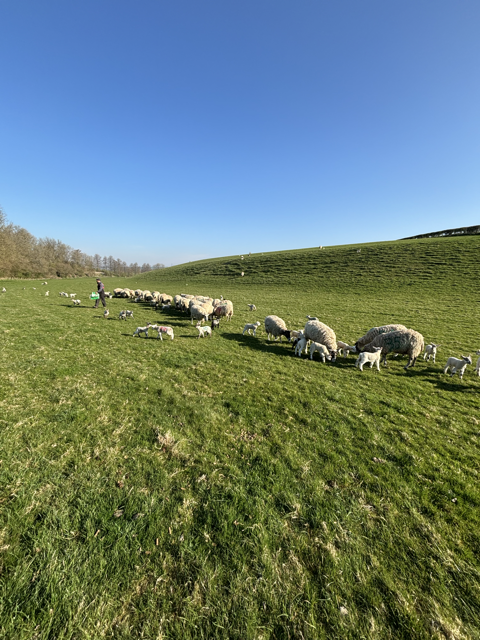
The farm’s grassland is managed with the help of a flock of 450 sheep. Between 1 May and 1 August, the sheep are moved off the downland areas to give native wildflowers the chance to regenerate and set seed. This seasonal rest period has helped priority habitat indicator species to recover and re-establish across the South Downs.
During the summer, cattle from a neighbouring farm graze the downland instead. Their grazing behaviour benefits the habitat: cattle are less selective and eat a broader range of plants, helping to keep vigorous, tall species in check. This creates a more varied vegetation structure, allowing fine-leaved grasses and wildflowers to flourish. Sheep, by contrast, will preferentially graze flowering plants if given the option, which can prevent them from seeding and gradually reduce species diversity.
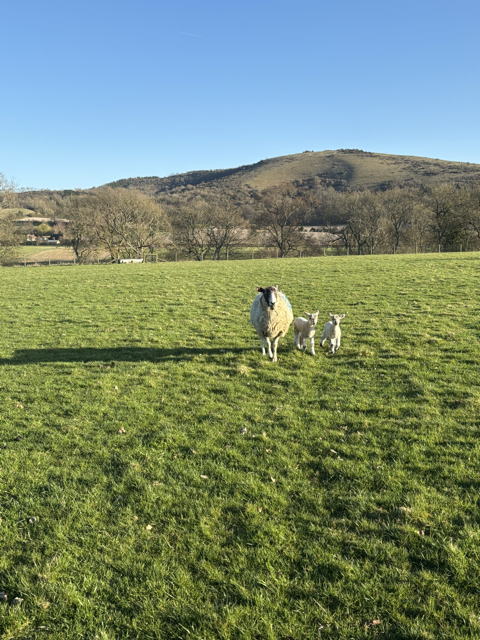
The flock is split into a commercial mob of 425 North England Mules and 25 purebred South Down sheep. The commercial flock are mixed with a variety of rams which possess the traits to produce a heavy lamb with great muscle confirmation. These rams include the Charollais, Beltex, Suffolk and South Down breeds. Where possible, we sell our lambs to local butchers and eateries via Owton’s Butcher Wholesaler or into the national meat trade through ABP.
Where We Farm
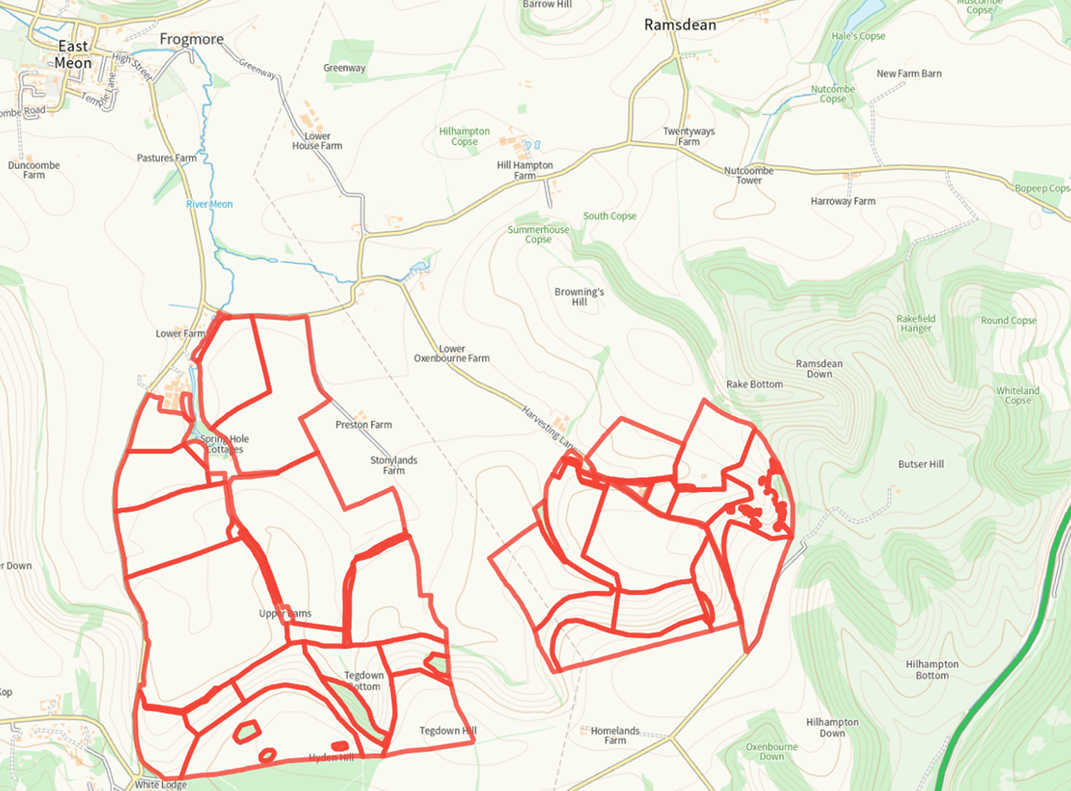
South Farm sits one mile outside the Medieval village of East Meon in Hampshire, and just six miles outside of the historic market town of Petersfield, which is all set within the sweeping chalk landscapes of the South Downs National Park. The farm occupies a particularly special position in the Meon Valley, as the natural spring that forms the very source of the River Meon rises on its land called ‘The Dell’. From here, clear chalk water begins its journey down through East Meon and on toward the Solent, linking the farm directly to one of Hampshire’s most celebrated river systems.
The surrounding landscape is defined by the soft contours of chalk downland, where open ridges give way to sheltered combes and valley pastures. From the higher ground on South Farm, expansive views stretch across the Meon Valley—a patchwork of arable fields, ancient hedgerows, grassland, and wildlife-rich banks shaped by centuries of careful management.
Running along the top of the farm is the South Downs Way, which if followed in its entirety, runs from Eastbourne (in East Sussex) to Winchester. If you follow the South Downs Way East from the top of the farm towards Petersfield, you will reach our sister farm, Upper Parsonage Farm, which lies in the foothills of Butser Hill, the highest point and one of the most prominent landmarks in the South Downs.